Category: Uncategorized

  • Whales: Giants of the Ocean

    Whales: Giants of the Ocean

    Whales are among the largest and most remarkable animals on Earth. These marine mammals live in oceans around the world, from warm tropical waters to the cold seas surrounding the poles.

    Life Beneath the Surface

    Although whales spend their lives in water, they breathe air through blowholes located on top of their heads. They must regularly return to the surface to breathe before diving again in search of food or traveling through the ocean.

    Whales are warm-blooded, give birth to live young, and nurse their calves with milk. A thick layer of fat called blubber helps protect them from cold water and stores energy during long migrations.

    Two Main Groups

    Whales are generally divided into baleen whales and toothed whales. Baleen whales filter small animals from the water using flexible plates inside their mouths. This group includes blue whales, humpback whales, and gray whales.

    Toothed whales use teeth to catch fish, squid, and other prey. Many of them also use echolocation, producing sounds and listening for returning echoes to understand their surroundings. Sperm whales, belugas, and orcas belong to this group.

    The Blue Whale

    The blue whale is the largest known animal to have ever lived. An adult can grow longer than a city bus and weigh well over one hundred tonnes. Despite its enormous size, it feeds mainly on tiny crustaceans called krill.

    Communication and Migration

    Whales communicate using clicks, whistles, pulses, and complex songs. Some sounds can travel across great distances underwater. Humpback whales are especially famous for their long, patterned songs.

    Many species migrate thousands of kilometres each year. They often feed in cold, nutrient-rich waters before traveling to warmer regions where they mate and give birth.

    Protecting Whales

    Commercial hunting once caused severe declines in many whale populations. Today, whales also face threats from fishing gear, ship collisions, underwater noise, pollution, and changes to ocean ecosystems.

    Conservation programs, safer fishing practices, protected habitats, and international cooperation can help whale populations recover. Protecting whales also supports healthier oceans because these animals play an important role in marine food webs and nutrient cycles.

  • Whales: Giants of the Ocean

    Whales: Giants of the Ocean

    Whales are among the largest and most remarkable animals on Earth. These marine mammals live in oceans around the world, from warm tropical waters to the cold seas surrounding the poles.

    Life Beneath the Surface

    Although whales spend their lives in water, they breathe air through blowholes located on top of their heads. They must regularly return to the surface to breathe before diving again in search of food or traveling through the ocean.

    Whales are warm-blooded, give birth to live young, and nurse their calves with milk. A thick layer of fat called blubber helps protect them from cold water and stores energy during long migrations.

    Two Main Groups

    Whales are generally divided into baleen whales and toothed whales. Baleen whales filter small animals from the water using flexible plates inside their mouths. This group includes blue whales, humpback whales, and gray whales.

    Toothed whales use teeth to catch fish, squid, and other prey. Many of them also use echolocation, producing sounds and listening for returning echoes to understand their surroundings. Sperm whales, belugas, and orcas belong to this group.

    The Blue Whale

    The blue whale is the largest known animal to have ever lived. An adult can grow longer than a city bus and weigh well over one hundred tonnes. Despite its enormous size, it feeds mainly on tiny crustaceans called krill.

    Communication and Migration

    Whales communicate using clicks, whistles, pulses, and complex songs. Some sounds can travel across great distances underwater. Humpback whales are especially famous for their long, patterned songs.

    Many species migrate thousands of kilometres each year. They often feed in cold, nutrient-rich waters before traveling to warmer regions where they mate and give birth.

    Protecting Whales

    Commercial hunting once caused severe declines in many whale populations. Today, whales also face threats from fishing gear, ship collisions, underwater noise, pollution, and changes to ocean ecosystems.

    Conservation programs, safer fishing practices, protected habitats, and international cooperation can help whale populations recover. Protecting whales also supports healthier oceans because these animals play an important role in marine food webs and nutrient cycles.

  • Whales: Giants of the Ocean

    Whales: Giants of the Ocean

    Whales are among the largest and most remarkable animals on Earth. These marine mammals live in oceans around the world, from warm tropical waters to the cold seas surrounding the poles.

    Life Beneath the Surface

    Although whales spend their lives in water, they breathe air through blowholes located on top of their heads. They must regularly return to the surface to breathe before diving again in search of food or traveling through the ocean.

    Whales are warm-blooded, give birth to live young, and nurse their calves with milk. A thick layer of fat called blubber helps protect them from cold water and stores energy during long migrations.

    Two Main Groups

    Whales are generally divided into baleen whales and toothed whales. Baleen whales filter small animals from the water using flexible plates inside their mouths. This group includes blue whales, humpback whales, and gray whales.

    Toothed whales use teeth to catch fish, squid, and other prey. Many of them also use echolocation, producing sounds and listening for returning echoes to understand their surroundings. Sperm whales, belugas, and orcas belong to this group.

    The Blue Whale

    The blue whale is the largest known animal to have ever lived. An adult can grow longer than a city bus and weigh well over one hundred tonnes. Despite its enormous size, it feeds mainly on tiny crustaceans called krill.

    Communication and Migration

    Whales communicate using clicks, whistles, pulses, and complex songs. Some sounds can travel across great distances underwater. Humpback whales are especially famous for their long, patterned songs.

    Many species migrate thousands of kilometres each year. They often feed in cold, nutrient-rich waters before traveling to warmer regions where they mate and give birth.

    Protecting Whales

    Commercial hunting once caused severe declines in many whale populations. Today, whales also face threats from fishing gear, ship collisions, underwater noise, pollution, and changes to ocean ecosystems.

    Conservation programs, safer fishing practices, protected habitats, and international cooperation can help whale populations recover. Protecting whales also supports healthier oceans because these animals play an important role in marine food webs and nutrient cycles.

  • Whales: Giants of the Ocean

    Whales: Giants of the Ocean

    Whales are among the largest and most remarkable animals on Earth. These marine mammals live in oceans around the world, from warm tropical waters to the cold seas surrounding the poles.

    Life Beneath the Surface

    Although whales spend their lives in water, they breathe air through blowholes located on top of their heads. They must regularly return to the surface to breathe before diving again in search of food or traveling through the ocean.

    Whales are warm-blooded, give birth to live young, and nurse their calves with milk. A thick layer of fat called blubber helps protect them from cold water and stores energy during long migrations.

    Two Main Groups

    Whales are generally divided into baleen whales and toothed whales. Baleen whales filter small animals from the water using flexible plates inside their mouths. This group includes blue whales, humpback whales, and gray whales.

    Toothed whales use teeth to catch fish, squid, and other prey. Many of them also use echolocation, producing sounds and listening for returning echoes to understand their surroundings. Sperm whales, belugas, and orcas belong to this group.

    The Blue Whale

    The blue whale is the largest known animal to have ever lived. An adult can grow longer than a city bus and weigh well over one hundred tonnes. Despite its enormous size, it feeds mainly on tiny crustaceans called krill.

    Communication and Migration

    Whales communicate using clicks, whistles, pulses, and complex songs. Some sounds can travel across great distances underwater. Humpback whales are especially famous for their long, patterned songs.

    Many species migrate thousands of kilometres each year. They often feed in cold, nutrient-rich waters before traveling to warmer regions where they mate and give birth.

    Protecting Whales

    Commercial hunting once caused severe declines in many whale populations. Today, whales also face threats from fishing gear, ship collisions, underwater noise, pollution, and changes to ocean ecosystems.

    Conservation programs, safer fishing practices, protected habitats, and international cooperation can help whale populations recover. Protecting whales also supports healthier oceans because these animals play an important role in marine food webs and nutrient cycles.

  • Car Export from Dubai to Algeria – Complete Guide for 2026

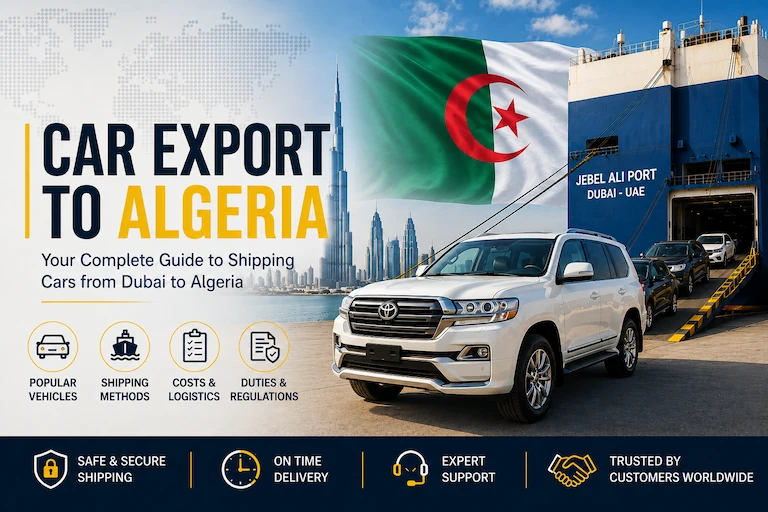
    Car Export from Dubai to Algeria – Complete Guide for 2026

    Algeria has become an increasingly attractive market for imported vehicles, especially for buyers looking for reliable SUVs, fuel-efficient sedans, and commercial vehicles from the UAE. Dubai remains one of the best sourcing hubs thanks to competitive prices, wide vehicle availability, and strong shipping connections to North Africa.

    At SK Motors, we help customers export vehicles from Dubai to Algeria with complete support — from vehicle sourcing and inspection to shipping and export documentation.


    Most Popular Vehicles Exported to Algeria

    The Algerian market strongly favors durable, fuel-efficient, and practical vehicles suitable for both urban driving and long-distance travel.

    Some of the most requested vehicles include:

    SUVs and pickup trucks are especially popular because of their durability and road performance. Smaller engine vehicles are also in high demand due to fuel economy and import practicality. Community discussions and import trends frequently highlight strong demand for compact and mid-size vehicles in Algeria.

    Pro Tip

    Before purchasing a vehicle for Algeria, always verify the latest eligibility requirements regarding vehicle age, engine specifications, and customs documentation. Algeria has updated import procedures several times in recent years.


    Key Factors Influencing Shipping Costs

    Several factors affect the total cost of exporting a car from Dubai to Algeria:

    Vehicle Size & Dimensions

    Larger SUVs and pickup trucks generally cost more to ship than compact sedans due to the space they occupy onboard vessels or containers.

    Shipping Method

    RoRo shipping is usually more economical, while container shipping offers extra protection and flexibility.

    Destination Port

    Shipping costs may vary depending on whether the vehicle arrives in Algiers, Oran, Annaba, or other Algerian ports.

    Customs & Clearance Procedures

    Import regulations, inspection requirements, and customs processing can influence the final landed cost and delivery timeline.

    Seasonal Demand

    Shipping prices can fluctuate depending on vessel availability, fuel costs, and seasonal cargo demand.

    Approximate Shipping Rates from Dubai to Algeria

    • RoRo Shipping: starting from approximately USD 1,200–2,000
    • Container Shipping: starting from approximately USD 2,500–4,500

    Rates vary depending on vehicle size, shipping line availability, and destination port.


    Shipping Methods: Which One Should You Choose?

    RoRo (Roll-on/Roll-off)

    RoRo shipping is one of the most affordable and commonly used methods for exporting vehicles.

    Advantages

    • Lower shipping cost
    • Faster loading process
    • Ideal for operational vehicles

    Best For

    • Standard SUVs
    • Sedans
    • Pickup trucks

    Container Shipping

    Container shipping places the vehicle inside a secured shipping container.

    Advantages

    • Better protection from weather and handling
    • Ability to ship spare parts or accessories together
    • More secure for high-value vehicles

    Best For

    • Luxury vehicles
    • Premium SUVs
    • Multiple vehicle shipments

    For Algeria, container regulations and customs procedures may vary depending on the port and current customs rules, so professional coordination is highly recommended.


    Shipping Route and Ports

    Vehicles exported from Dubai are commonly shipped from:

    • Jebel Ali Port
    • Port Rashid

    Main arrival ports in Algeria include:

    • Port of Algiers
    • Port of Oran
    • Port of Annaba
    • Port of Bejaia

    Transit time usually ranges between:

    • 20–40 days depending on vessel schedules, transshipment routes, customs clearance, and port congestion.

    Import Duties and Taxes in Algeria

    Import regulations in Algeria may change periodically, especially regarding vehicle age limits, customs eligibility, and conformity requirements. Official customs and trade resources should always be checked before shipment.

    For official and updated information, refer to:

    Recent Algerian regulations also outline procedures for importing vehicles less than three years old and customs clearance requirements.


    Logistics & Timing

    Efficient logistics planning is essential for smooth vehicle delivery into Algeria.

    The export process typically includes:

    1. Vehicle purchase and inspection
    2. Export documentation preparation
    3. Customs export clearance in Dubai
    4. Shipping booking and loading
    5. Arrival customs clearance in Algeria
    6. Vehicle release and registration process

    Customs processing in Algeria may take additional time depending on documentation completeness and port workload. Some importers report delays caused by paperwork and customs inspections.

    Working with an experienced exporter helps minimize delays and avoid documentation issues.


    How SK Motors Makes Car Export Easy

    At SK Motors, we simplify the entire export process for customers importing vehicles into Algeria.

    Our services include:

    • Vehicle sourcing from Dubai
    • Pre-export inspection support
    • Competitive export pricing
    • RoRo and container shipping arrangements
    • Export documentation assistance
    • Worldwide shipping coordination

    Whether you are importing a single vehicle or managing multiple shipments, our team helps ensure a smooth and transparent export experience from Dubai to Algeria.

  • Dubai Auto Zone: The Ultimate Guide to Buying and Exporting Cars from Dubai

    Dubai Auto Zone: The Ultimate Guide to Buying and Exporting Cars from Dubai

    Dubai Auto Zone has become one of the world’s leading destinations for buying and exporting vehicles. With its massive inventory, competitive pricing, and strategic global location, it attracts buyers and exporters from Africa, Asia, the Middle East, and beyond. Whether you’re sourcing a single vehicle or managing bulk shipments, Dubai Auto Zone plays a crucial role in the international automotive trade.


    What Is Dubai Auto Zone?

    Dubai Auto Zone is a dedicated automotive trading district designed to simplify vehicle sourcing and export. It brings together hundreds of car dealers—offering both new and used vehicles—into one centralized marketplace. Buyers can compare models, prices, and conditions without traveling across multiple locations in the city.

    Thanks to Dubai’s world‑class logistics infrastructure and export‑friendly regulations, Dubai Auto Zone has become a preferred destination for international buyers looking to ship vehicles overseas.


    Why Dubai Auto Zone Is Popular Worldwide

    1. Huge Variety of Vehicles

    Dubai Auto Zone offers one of the widest selections of vehicles in the region, including:
    – Japanese, Korean, American, and European brands
    – Sedans, SUVs, 4x4s, and compact cars
    – Luxury and premium vehicles
    – Commercial and fleet vehicles
    – Brand‑new, lightly used, and pre‑owned options
    This diversity makes it ideal for both personal buyers and professional exporters.

    2. Competitive Pricing

    Dubai’s fast‑moving automotive market and high vehicle turnover often result in better prices than many other global markets. Vehicles are typically well maintained due to excellent road conditions and strict servicing standards.

    3. High‑Quality Inventory
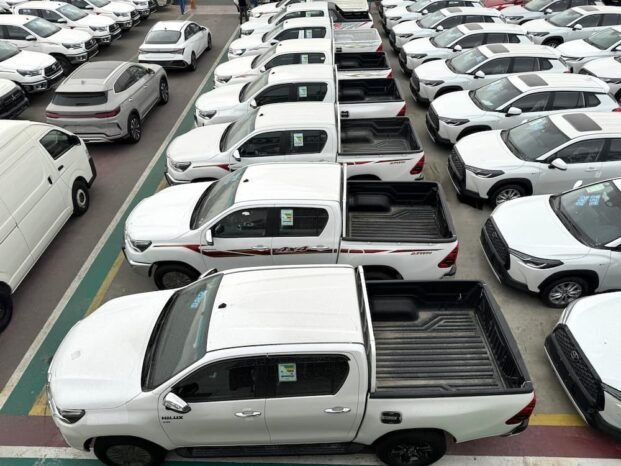
    Dubai Auto Zone is well known for its strong selection of high-quality vehicles, with many listings consisting of brand-new and zero-kilometer cars. Buyers can expect:
    – New or near-new vehicles
    – Manufacturer-standard condition
    – Pristine interiors and exteriors
    – Reliable performance with minimal or no prior use
    This makes them attractive for resale in Africa, Asia, and Central Asia.


    Types of Vehicles Available in Dubai Auto Zone

    Buyers can find nearly every category of vehicle, including:
    – Sedans and compact cars for daily use
    – SUVs and 4×4 vehicles suitable for long‑distance or off‑road driving
    – Luxury and premium models from top global brands
    – Fleet and commercial vehicles, including taxis and corporate cars
    – Brand‑new, used, and pre‑owned vehicles

    Whether you’re a first‑time buyer or an experienced exporter, Dubai Auto Zone offers options for every budget and requirement.


    How Vehicle Export Works in Dubai Auto Zone

    Exporting a vehicle from Dubai Auto Zone is a streamlined process. It typically includes:
    – Vehicle selection and inspection
    – Document verification
    – Purchase and deregistration
    – Customs clearance and export paperwork

    Shipping Options

    – RORO (Roll‑On/Roll‑Off): Cost‑effective for standard vehicles
    – Container shipping: Ideal for luxury or high‑value cars needing extra protection
    Popular export destinations include Africa, the Middle East, Central Asia, and Southeast Asia.


    Who Uses Dubai Auto Zone?

    Dubai Auto Zone serves a wide range of buyers:
    – Individual overseas buyers
    – Car dealers sourcing inventory, including established exporters like SK Motors
    – Export companies handling bulk shipments
    – Fleet buyers seeking reliable vehicles at scale

    Its transparency, accessibility, and efficiency make it suitable for both small and large buyers.


    Dubai’s Role in the Global Auto Trade

    Dubai’s position as a global logistics hub is a major factor behind the success of Dubai Auto Zone. With world‑class ports, efficient customs systems, and strong international shipping connections, the city acts as a bridge between manufacturers and emerging markets.

    This combination of infrastructure, regulation, and market scale has helped Dubai Auto Zone become a trusted name in global automotive trading.


    Frequently Asked Question:

    Is Dubai Auto Zone good for exporting cars?

    Yes. Dubai Auto Zone is one of the most efficient and trusted places for car exports due to its large inventory, competitive pricing, and streamlined export procedures.

    What documents are required to export a car from Dubai?

    Typically, you need the vehicle registration card, purchase invoice, export certificate, passport copy, and customs clearance documents.

    How much does it cost to ship a car from Dubai?

    Shipping costs vary by destination and method. RORO is usually cheaper, while container shipping costs more but offers added protection.

    Are cars cheaper in Dubai Auto Zone?

    In many cases, yes. Dubai’s competitive market and high turnover often result in lower prices compared to other regions.

    Can I buy a car in Dubai Auto Zone for export to Africa or Asia?

    Absolutely. Many buyers from Kenya, Tanzania, Uganda, Nigeria, Georgia, and Central Asia source vehicles from Dubai Auto Zone.


    Dubai Auto Zone remains one of the most reliable and influential automotive trading zones in the world. Its wide selection, competitive pricing, and strong export ecosystem make it a top choice for anyone involved in international vehicle sourcing. For buyers seeking efficiency, variety, and global reach, Dubai Auto Zone continues to stand out.
    DAZ


    Looking to buy or export a vehicle from Dubai Auto Zone?

    We help with sourcing, inspection, documentation, and international shipping.
    Get in touch today and let us handle the entire process for you.