Categoria: Uncategorized

  • Whales: Giants of the Ocean

    Whales: Giants of the Ocean

    Whales are among the largest and most remarkable animals on Earth. These marine mammals live in oceans around the world, from warm tropical waters to the cold seas surrounding the poles.

    Life Beneath the Surface

    Although whales spend their lives in water, they breathe air through blowholes located on top of their heads. They must regularly return to the surface to breathe before diving again in search of food or traveling through the ocean.

    Whales are warm-blooded, give birth to live young, and nurse their calves with milk. A thick layer of fat called blubber helps protect them from cold water and stores energy during long migrations.

    Two Main Groups

    Whales are generally divided into baleen whales and toothed whales. Baleen whales filter small animals from the water using flexible plates inside their mouths. This group includes blue whales, humpback whales, and gray whales.

    Toothed whales use teeth to catch fish, squid, and other prey. Many of them also use echolocation, producing sounds and listening for returning echoes to understand their surroundings. Sperm whales, belugas, and orcas belong to this group.

    The Blue Whale

    The blue whale is the largest known animal to have ever lived. An adult can grow longer than a city bus and weigh well over one hundred tonnes. Despite its enormous size, it feeds mainly on tiny crustaceans called krill.

    Communication and Migration

    Whales communicate using clicks, whistles, pulses, and complex songs. Some sounds can travel across great distances underwater. Humpback whales are especially famous for their long, patterned songs.

    Many species migrate thousands of kilometres each year. They often feed in cold, nutrient-rich waters before traveling to warmer regions where they mate and give birth.

    Protecting Whales

    Commercial hunting once caused severe declines in many whale populations. Today, whales also face threats from fishing gear, ship collisions, underwater noise, pollution, and changes to ocean ecosystems.

    Conservation programs, safer fishing practices, protected habitats, and international cooperation can help whale populations recover. Protecting whales also supports healthier oceans because these animals play an important role in marine food webs and nutrient cycles.

  • Whales: Giants of the Ocean

    Whales: Giants of the Ocean

    Whales are among the largest and most remarkable animals on Earth. These marine mammals live in oceans around the world, from warm tropical waters to the cold seas surrounding the poles.

    Life Beneath the Surface

    Although whales spend their lives in water, they breathe air through blowholes located on top of their heads. They must regularly return to the surface to breathe before diving again in search of food or traveling through the ocean.

    Whales are warm-blooded, give birth to live young, and nurse their calves with milk. A thick layer of fat called blubber helps protect them from cold water and stores energy during long migrations.

    Two Main Groups

    Whales are generally divided into baleen whales and toothed whales. Baleen whales filter small animals from the water using flexible plates inside their mouths. This group includes blue whales, humpback whales, and gray whales.

    Toothed whales use teeth to catch fish, squid, and other prey. Many of them also use echolocation, producing sounds and listening for returning echoes to understand their surroundings. Sperm whales, belugas, and orcas belong to this group.

    The Blue Whale

    The blue whale is the largest known animal to have ever lived. An adult can grow longer than a city bus and weigh well over one hundred tonnes. Despite its enormous size, it feeds mainly on tiny crustaceans called krill.

    Communication and Migration

    Whales communicate using clicks, whistles, pulses, and complex songs. Some sounds can travel across great distances underwater. Humpback whales are especially famous for their long, patterned songs.

    Many species migrate thousands of kilometres each year. They often feed in cold, nutrient-rich waters before traveling to warmer regions where they mate and give birth.

    Protecting Whales

    Commercial hunting once caused severe declines in many whale populations. Today, whales also face threats from fishing gear, ship collisions, underwater noise, pollution, and changes to ocean ecosystems.

    Conservation programs, safer fishing practices, protected habitats, and international cooperation can help whale populations recover. Protecting whales also supports healthier oceans because these animals play an important role in marine food webs and nutrient cycles.

  • Whales: Giants of the Ocean

    Whales: Giants of the Ocean

    Whales are among the largest and most remarkable animals on Earth. These marine mammals live in oceans around the world, from warm tropical waters to the cold seas surrounding the poles.

    Life Beneath the Surface

    Although whales spend their lives in water, they breathe air through blowholes located on top of their heads. They must regularly return to the surface to breathe before diving again in search of food or traveling through the ocean.

    Whales are warm-blooded, give birth to live young, and nurse their calves with milk. A thick layer of fat called blubber helps protect them from cold water and stores energy during long migrations.

    Two Main Groups

    Whales are generally divided into baleen whales and toothed whales. Baleen whales filter small animals from the water using flexible plates inside their mouths. This group includes blue whales, humpback whales, and gray whales.

    Toothed whales use teeth to catch fish, squid, and other prey. Many of them also use echolocation, producing sounds and listening for returning echoes to understand their surroundings. Sperm whales, belugas, and orcas belong to this group.

    The Blue Whale

    The blue whale is the largest known animal to have ever lived. An adult can grow longer than a city bus and weigh well over one hundred tonnes. Despite its enormous size, it feeds mainly on tiny crustaceans called krill.

    Communication and Migration

    Whales communicate using clicks, whistles, pulses, and complex songs. Some sounds can travel across great distances underwater. Humpback whales are especially famous for their long, patterned songs.

    Many species migrate thousands of kilometres each year. They often feed in cold, nutrient-rich waters before traveling to warmer regions where they mate and give birth.

    Protecting Whales

    Commercial hunting once caused severe declines in many whale populations. Today, whales also face threats from fishing gear, ship collisions, underwater noise, pollution, and changes to ocean ecosystems.

    Conservation programs, safer fishing practices, protected habitats, and international cooperation can help whale populations recover. Protecting whales also supports healthier oceans because these animals play an important role in marine food webs and nutrient cycles.

  • Whales: Giants of the Ocean

    Whales: Giants of the Ocean

    Whales are among the largest and most remarkable animals on Earth. These marine mammals live in oceans around the world, from warm tropical waters to the cold seas surrounding the poles.

    Life Beneath the Surface

    Although whales spend their lives in water, they breathe air through blowholes located on top of their heads. They must regularly return to the surface to breathe before diving again in search of food or traveling through the ocean.

    Whales are warm-blooded, give birth to live young, and nurse their calves with milk. A thick layer of fat called blubber helps protect them from cold water and stores energy during long migrations.

    Two Main Groups

    Whales are generally divided into baleen whales and toothed whales. Baleen whales filter small animals from the water using flexible plates inside their mouths. This group includes blue whales, humpback whales, and gray whales.

    Toothed whales use teeth to catch fish, squid, and other prey. Many of them also use echolocation, producing sounds and listening for returning echoes to understand their surroundings. Sperm whales, belugas, and orcas belong to this group.

    The Blue Whale

    The blue whale is the largest known animal to have ever lived. An adult can grow longer than a city bus and weigh well over one hundred tonnes. Despite its enormous size, it feeds mainly on tiny crustaceans called krill.

    Communication and Migration

    Whales communicate using clicks, whistles, pulses, and complex songs. Some sounds can travel across great distances underwater. Humpback whales are especially famous for their long, patterned songs.

    Many species migrate thousands of kilometres each year. They often feed in cold, nutrient-rich waters before traveling to warmer regions where they mate and give birth.

    Protecting Whales

    Commercial hunting once caused severe declines in many whale populations. Today, whales also face threats from fishing gear, ship collisions, underwater noise, pollution, and changes to ocean ecosystems.

    Conservation programs, safer fishing practices, protected habitats, and international cooperation can help whale populations recover. Protecting whales also supports healthier oceans because these animals play an important role in marine food webs and nutrient cycles.

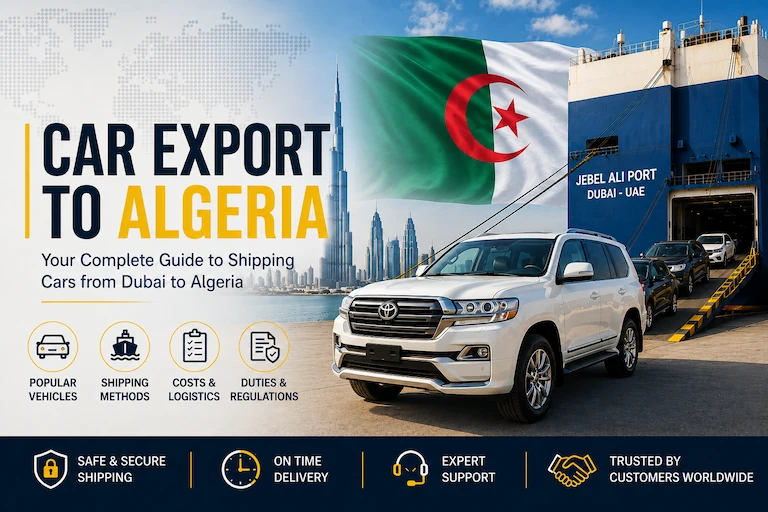
  • Car Export from Dubai to Algeria – Complete Guide for 2026

    Car Export from Dubai to Algeria – Complete Guide for 2026

    Algeria has become an increasingly attractive market for imported vehicles, especially for buyers looking for reliable SUVs, fuel-efficient sedans, and commercial vehicles from the UAE. Dubai remains one of the best sourcing hubs thanks to competitive prices, wide vehicle availability, and strong shipping connections to North Africa.

    At SK Motors, we help customers export vehicles from Dubai to Algeria with complete support — from vehicle sourcing and inspection to shipping and export documentation.


    Most Popular Vehicles Exported to Algeria

    The Algerian market strongly favors durable, fuel-efficient, and practical vehicles suitable for both urban driving and long-distance travel.

    Some of the most requested vehicles include:

    SUVs and pickup trucks are especially popular because of their durability and road performance. Smaller engine vehicles are also in high demand due to fuel economy and import practicality. Community discussions and import trends frequently highlight strong demand for compact and mid-size vehicles in Algeria.

    Pro Tip

    Before purchasing a vehicle for Algeria, always verify the latest eligibility requirements regarding vehicle age, engine specifications, and customs documentation. Algeria has updated import procedures several times in recent years.


    Facteurs clés influençant les coûts d'expédition

    Several factors affect the total cost of exporting a car from Dubai to Algeria:

    Vehicle Size & Dimensions

    Larger SUVs and pickup trucks generally cost more to ship than compact sedans due to the space they occupy onboard vessels or containers.

    Shipping Method

    RoRo shipping is usually more economical, while container shipping offers extra protection and flexibility.

    Destination Port

    Shipping costs may vary depending on whether the vehicle arrives in Algiers, Oran, Annaba, or other Algerian ports.

    Customs & Clearance Procedures

    Import regulations, inspection requirements, and customs processing can influence the final landed cost and delivery timeline.

    Seasonal Demand

    Shipping prices can fluctuate depending on vessel availability, fuel costs, and seasonal cargo demand.

    Approximate Shipping Rates from Dubai to Algeria

    • RoRo Shipping: starting from approximately USD 1,200–2,000
    • Container Shipping: starting from approximately USD 2,500–4,500

    Rates vary depending on vehicle size, shipping line availability, and destination port.


    Métodos de envio: qual escolher?

    RoRo (Roll-on/Roll-off)

    RoRo shipping is one of the most affordable and commonly used methods for exporting vehicles.

    Advantages

    • Lower shipping cost
    • Faster loading process
    • Ideal for operational vehicles

    Best For

    • Standard SUVs
    • Sedans
    • Pickup trucks

    Container Shipping

    Container shipping places the vehicle inside a secured shipping container.

    Advantages

    • Better protection from weather and handling
    • Ability to ship spare parts or accessories together
    • More secure for high-value vehicles

    Best For

    • Luxury vehicles
    • Premium SUVs
    • Multiple vehicle shipments

    For Algeria, container regulations and customs procedures may vary depending on the port and current customs rules, so professional coordination is highly recommended.


    Rotas de navegação e portos

    Vehicles exported from Dubai are commonly shipped from:

    • Jebel Ali Port
    • Port Rashid

    Main arrival ports in Algeria include:

    • Port of Algiers
    • Port of Oran
    • Port of Annaba
    • Port of Bejaia

    Transit time usually ranges between:

    • 20–40 days depending on vessel schedules, transshipment routes, customs clearance, and port congestion.

    Import Duties and Taxes in Algeria

    Import regulations in Algeria may change periodically, especially regarding vehicle age limits, customs eligibility, and conformity requirements. Official customs and trade resources should always be checked before shipment.

    For official and updated information, refer to:

    Recent Algerian regulations also outline procedures for importing vehicles less than three years old and customs clearance requirements.


    Logística e Cronograma

    Efficient logistics planning is essential for smooth vehicle delivery into Algeria.

    The export process typically includes:

    1. Vehicle purchase and inspection
    2. Export documentation preparation
    3. Customs export clearance in Dubai
    4. Shipping booking and loading
    5. Arrival customs clearance in Algeria
    6. Vehicle release and registration process

    Customs processing in Algeria may take additional time depending on documentation completeness and port workload. Some importers report delays caused by paperwork and customs inspections.

    Working with an experienced exporter helps minimize delays and avoid documentation issues.


    Como a SK Motors facilita a exportação de automóveis

    At SK Motors, we simplify the entire export process for customers importing vehicles into Algeria.

    Our services include:

    • Vehicle sourcing from Dubai
    • Pre-export inspection support
    • Competitive export pricing
    • RoRo and container shipping arrangements
    • Export documentation assistance
    • Worldwide shipping coordination

    Whether you are importing a single vehicle or managing multiple shipments, our team helps ensure a smooth and transparent export experience from Dubai to Algeria.

  • Dubai Auto Zone: O Guia Definitivo para Comprar e Exportar Carros de Dubai

    Dubai Auto Zone: O Guia Definitivo para Comprar e Exportar Carros de Dubai

    A Dubai Auto Zone tornou-se um dos principais destinos mundiais para compra e exportação de veículos. Com seu vasto estoque, preços competitivos e localização estratégica global, atrai compradores e exportadores da África, Ásia, Oriente Médio e outras regiões. Seja para adquirir um único veículo ou gerenciar grandes remessas, a Dubai Auto Zone desempenha um papel crucial no comércio internacional de automóveis.


    O que é a Dubai Auto Zone?

    Zona Automóvel de Dubai É um distrito comercial dedicado ao setor automotivo, projetado para simplificar a compra e exportação de veículos. Ele reúne centenas de concessionárias — que oferecem veículos novos e usados ​​— em um mercado centralizado. Os compradores podem comparar modelos, preços e condições sem precisar se deslocar por vários locais da cidade.

    Graças à infraestrutura logística de classe mundial de Dubai e às regulamentações favoráveis ​​à exportação, a Dubai Auto Zone tornou-se um destino preferido para compradores internacionais que desejam enviar veículos para o exterior.


    Por que a Dubai Auto Zone é popular em todo o mundo?

    1. Grande variedade de veículos

    A Dubai Auto Zone oferece uma das mais vastas seleções de veículos da região, incluindo:
    – Marcas japonesas, coreanas, americanas e europeias
    – Sedans, SUV, 4x4 e carros compactos
    – Veículos de luxo e premium
    – Veículos comerciais e para frotas
    – Opções novas, semi-novas e usadas
    Esta diversidade torna-a ideal tanto para compradores particulares como para exportadores profissionais.

    2. Preços competitivos

    O dinâmico mercado automotivo de Dubai e a alta rotatividade de veículos frequentemente resultam em preços mais vantajosos do que em muitos outros mercados globais. Os veículos geralmente recebem manutenção adequada devido às excelentes condições das estradas e aos rigorosos padrões de serviço.

    3. Inventário de Alta Qualidade
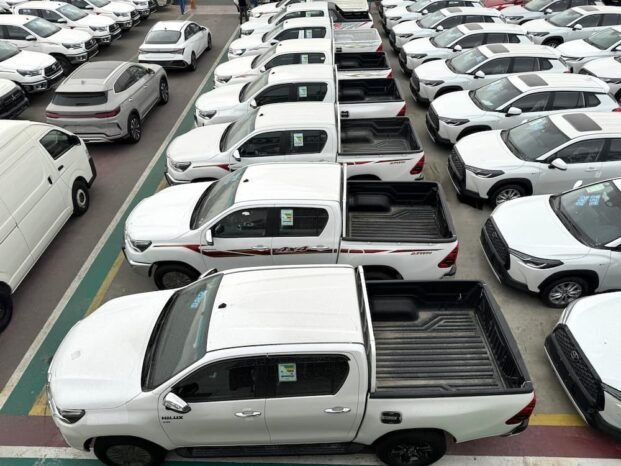
    A Dubai Auto Zone é conhecida pela sua vasta seleção de veículos de alta qualidade, com muitos anúncios de carros novos ou com quilometragem zero. Os compradores podem esperar:
    – Veículos novos ou usados
    – Condição de fábrica
    – Interiores e exteriores impecáveis
    – Desempenho fiável com uso mínimo ou nenhum uso anterior
    Isto torna-os atrativos para revenda em África, Ásia e Ásia Central.


    Tipos de veículos disponíveis na Dubai Auto Zone

    Os compradores podem encontrar praticamente todas as categorias de veículos, incluindo:
    – Sedãs e carros compactos para uso diário
    – SUVs e veículos 4x4 adequados para viagens de longa distância ou condução fora de estrada
    – Modelos de luxo e premium das principais marcas globais
    – Veículos comerciais e de frota, incluindo táxis e carros executivos
    – Veículos novos, usados ​​e seminovos

    Whether you’re a first‑time buyer or an experienced exporter, Dubai Auto Zone offers options for every budget and requirement.


    Como funciona a exportação de veículos na Auto Zone de Dubai

    Exportar um veículo da Dubai Auto Zone é um processo simplificado. Normalmente inclui:
    – Seleção e inspeção do veículo
    – Verificação de documentos
    – Compra e baixa do registro
    – Desembaraço aduaneiro e documentação de exportação

    Opções de envio

    – RORO (Roll-On/Roll-Off): Custo-benefício para veículos padrão
    – Transporte em contêineres: Ideal para carros de luxo ou de alto valor que necessitam de proteção extra
    Os destinos de exportação mais populares incluem África, Oriente Médio, Ásia Central e Sudeste Asiático.


    Quem utiliza os serviços da Dubai Auto Zone?

    A Dubai Auto Zone serve uma vasta gama de compradores:
    – Compradores individuais no estrangeiro
    – Concessionários de veículos que procuram stock, incluindo exportadores consolidados como a SK Motors
    – Empresas exportadoras que lidam com remessas em grande volume
    – Compradores de frotas que procuram veículos fiáveis ​​em grande escala

    A sua transparência, acessibilidade e eficiência tornam-no adequado tanto para pequenos como para grandes compradores.


    O papel do Dubai no comércio automóvel global

    A posição do Dubai como centro logístico global é um fator crucial para o sucesso da Dubai Auto Zone. Com portos de classe mundial, sistemas alfandegários eficientes e fortes ligações de transporte marítimo internacional, a cidade funciona como uma ponte entre os fabricantes e os mercados emergentes.

    Esta combinação de infraestruturas, regulamentação e escala de mercado ajudou a Dubai Auto Zone a tornar-se um nome de confiança no comércio automóvel global.


    Perguntas frequentes:

    A Dubai Auto Zone é uma boa opção para a exportação de automóveis?

    Sim. A Dubai Auto Zone é um dos locais mais eficientes e fiáveis ​​para a exportação de automóveis devido ao seu amplo stock, preços competitivos e procedimentos de exportação simplificados.

    Que documentos são necessários para exportar um carro do Dubai?

    Normalmente, precisa do documento de matrícula do veículo, da fatura de compra, do certificado de exportação, da cópia do passaporte e dos documentos de desalfandegamento.

    Quanto custa enviar um carro do Dubai?

    Les frais d'expédition varient selon la destination et le mode de transport. Le transport roulier (RORO) est généralement moins cher, tandis que le transport par conteneur coûte plus cher mais offre une meilleure protection.

    Os carros são mais baratos na Auto Zone do Dubai?

    Em muitos casos, sim. O mercado competitivo e o elevado volume de negócios do Dubai resultam frequentemente em preços mais baixos em comparação com outras regiões.

    Posso comprar um carro na Dubai Auto Zone para exportação para África ou Ásia?

    Com certeza. Muitos compradores do Quénia, Tanzânia, Uganda, Nigéria, Geórgia e Ásia Central adquirem veículos na Dubai Auto Zone.


    A Dubai Auto Zone continua a ser uma das zonas de comércio automóvel mais fiáveis ​​e influentes do mundo. A sua vasta seleção, preços competitivos e forte ecossistema de exportação fazem dela a principal escolha para qualquer pessoa envolvida na aquisição internacional de veículos. Para os compradores que procuram eficiência, variedade e alcance global, a Dubai Auto Zone continua a destacar-se.
    DAZ


    Tem interesse em comprar ou exportar um veículo da Dubai Auto Zone?

    Ajudamos na procura de fornecedores, inspeção, documentação e envio internacional.
    Contacte-nos hoje mesmo e deixe-nos tratar de todo o processo por si.